
In today’s globalized economy, the movement of goods and services is crucial for business success. This is where the interconnected fields of haulage, logistics, and transportation come into play. While often used interchangeably, these terms have distinct meanings and functions that are essential to understand. This blog post will explore the key concepts of haulage, logistics, and transportation, shedding light on their roles, differences, and significance in the modern supply chain.
What is Transportation?
Transportation is the movement of goods or people from one location to another. It is a fundamental aspect of trade and commerce, enabling the flow of products through various modes such as road, rail, air, and sea.
Types of Transportation
- Road Transport: This is the most common mode for short to medium distances. Trucks and vans are used to transport goods directly from the manufacturer or warehouse to the consumer. Road transport offers flexibility and convenience, allowing for door-to-door delivery.
- Rail Transport: Railways are ideal for transporting large quantities of goods over long distances. They are more fuel-efficient than road transport and are often used for bulk commodities like coal, minerals, and agricultural products.
- Air Transport: Air freight is the fastest mode of transportation, suitable for high-value or time-sensitive goods. While it is more expensive, air transport is crucial for international trade and rapid deliveries.
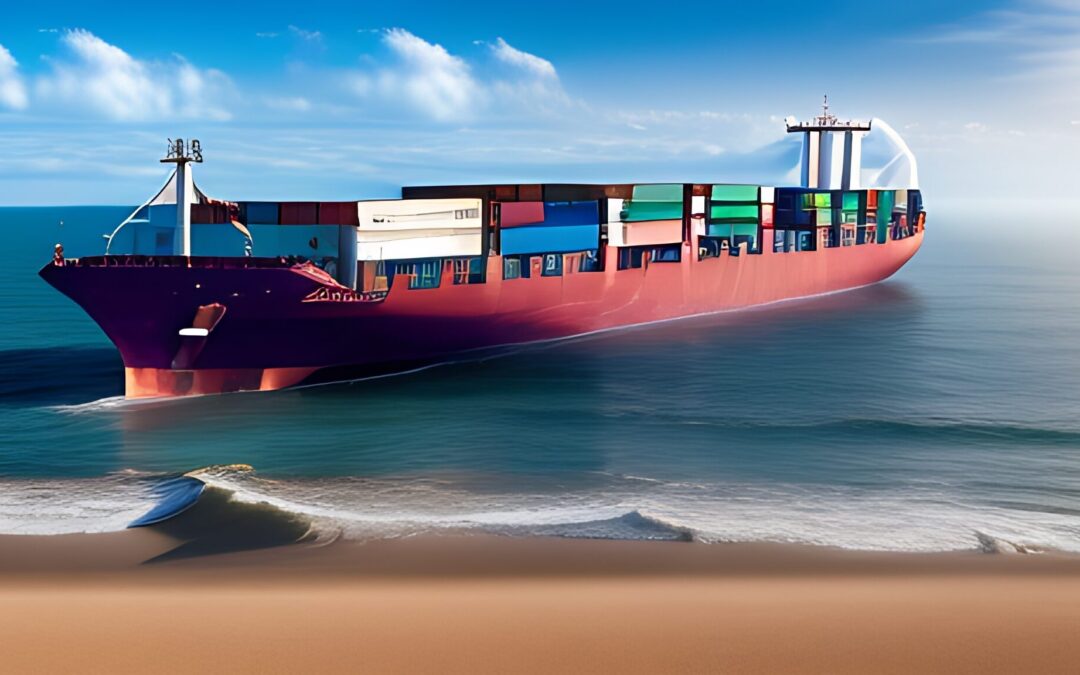
- Sea Transport: Shipping by sea is the most cost-effective method for transporting large volumes of goods over long distances. Container ships facilitate global trade, carrying everything from raw materials to finished products.
Importance of Transportation
Transportation is vital for several reasons:
- Market Reach: It enables businesses to access new markets and customers, expanding their reach and potential for growth.
- Supply Chain Efficiency: Efficient transportation reduces delivery times and costs, enhancing overall supply chain performance.
- Economic Impact: Transportation supports job creation and economic development, playing a crucial role in local and national economies.
What is Haulage?
Haulage specifically refers to the transport of goods, typically by road. It encompasses the logistics involved in the movement of freight from one location to another, primarily using trucks and lorries.
Types of Haulage
- Full Truck Load (FTL): This involves transporting goods that occupy an entire truck. It is ideal for large shipments that require direct delivery to a single destination, minimizing handling and transit times.
- Less Than Truck Load (LTL): LTL involves consolidating shipments from multiple customers into one truckload. This method is cost-effective for smaller shipments, allowing businesses to share transportation costs.
- Specialized Haulage: This refers to the transport of oversized, heavy, or sensitive cargo that requires special equipment or handling. Examples include construction machinery, vehicles, and hazardous materials.
Importance of Haulage
- Flexibility: Haulage provides the ability to transport goods directly to their destination, accommodating various delivery schedules and routes.
- Cost-Effectiveness: Especially for smaller shipments, LTL options can significantly reduce transportation costs while still ensuring timely deliveries.
- Supporting Local Businesses: Haulage services are crucial for local economies, providing essential links between suppliers and customers.
What is Logistics?
Logistics encompasses the planning, execution, and management of the movement of goods and services. It involves a broader scope than transportation and includes several key elements such as warehousing, inventory management, and order fulfillment.
Key Components of Logistics
- Warehousing: This involves the storage of goods until they are needed. Effective warehousing strategies help reduce costs and improve efficiency by ensuring that products are available for timely distribution.
- Inventory Management: Keeping track of inventory levels, orders, sales, and deliveries is critical to ensure that businesses can meet customer demands without overstocking or understocking.
- Order Fulfillment: This process includes receiving, processing, and delivering orders to customers. Efficient order fulfillment is essential for customer satisfaction and retention.
- Supply Chain Management: Logistics is a crucial part of the broader supply chain management process, which involves coordinating all aspects of production, shipment, and delivery.
Importance of Logistics
- Operational Efficiency: Effective logistics reduces operational costs and enhances service delivery, contributing to a more profitable business model.
- Customer Satisfaction: Timely and accurate deliveries boost customer satisfaction, which is essential for building loyalty and repeat business.
- Competitive Advantage: Companies with strong logistics capabilities can respond more quickly to market changes, giving them an edge over competitors.
The Interconnection Between Haulage, Logistics, and Transportation
While haulage, logistics, and transportation are distinct concepts, they are deeply interrelated.
- Transportation is the physical movement of goods, which is a fundamental component of both haulage and logistics.
- Haulage focuses on the road transport aspect of logistics, dealing specifically with the movement of freight using trucks and lorries.
- Logistics encompasses a broader range of activities that include transportation as well as warehousing, inventory management, and supply chain coordination.
Understanding how these elements interact is crucial for businesses looking to optimize their supply chain and enhance overall performance.
The Interconnectedness of Haulage, Logistics, and Transportation
In summary, haulage, logistics, and transportation play vital roles in the movement of goods within the global economy. While each term has its specific definition and function, they collectively contribute to the efficiency and effectiveness of supply chains. Businesses that recognize and leverage these interconnected components can improve their operations, satisfy customer demands, and gain a competitive edge in the market. As the logistics landscape continues to evolve, staying informed about these key concepts will be essential for navigating the complexities of modern trade.
4o mini