
Container Services
Container De-Vanning Explained: What Happens After Your Goods Arrive?
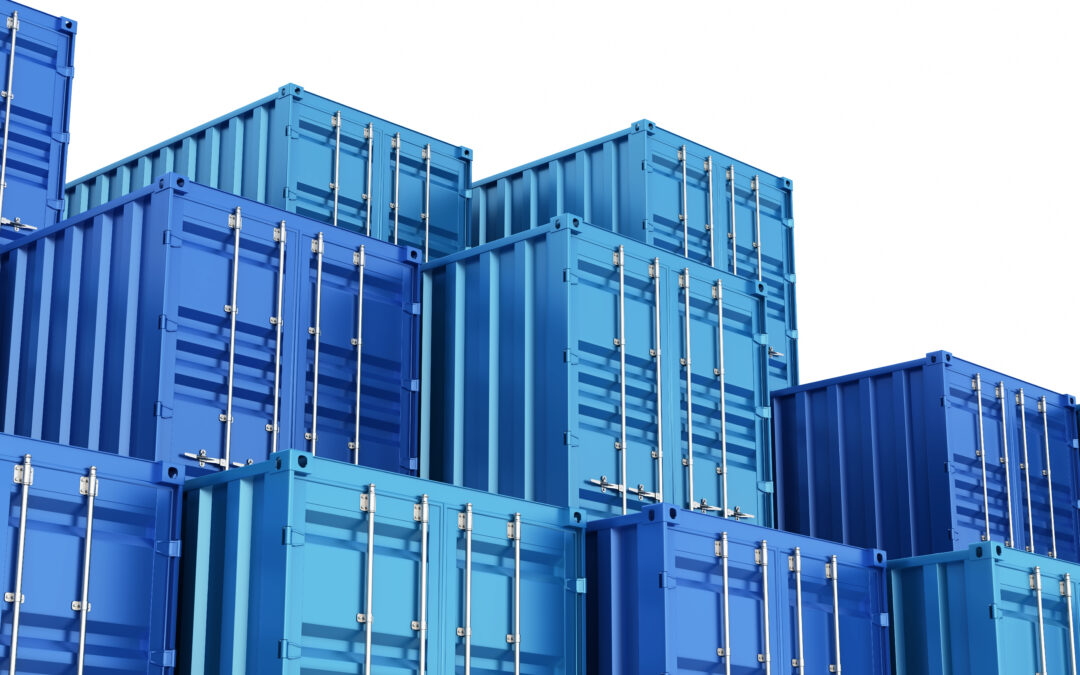
When a shipping container reaches its destination, the journey is not finished. The next stage is de-vanning, where goods are carefully unloaded, checked, sorted and prepared for storage or onward distribution.
What is container de-vanning?
Container de-vanning is the process of unloading goods from a shipping container once it has arrived at a warehouse, port-side facility or logistics hub. Depending on how the cargo has been loaded, this may involve removing palletised goods, handballing loose cartons, checking mixed consignments, separating stock by SKU, inspecting packaging, recording quantities and preparing the goods for storage or delivery.
For many businesses, this stage is where the supply chain can either run smoothly or begin to slow down. If a container is not unloaded efficiently, stock can be delayed, orders can be missed and additional costs can quickly build up. A professional de-vanning service helps to keep goods moving by making sure the container is unloaded safely, accurately and with the next stage of the process already in mind.
What happens when a container arrives?
Once a container arrives, the logistics team will usually begin by checking the container details, confirming the booking information and preparing the right equipment or labour for the load type. Some containers may contain straightforward palletised freight, while others may include loose-loaded cartons, irregular goods, fragile items or mixed products that need to be separated carefully.
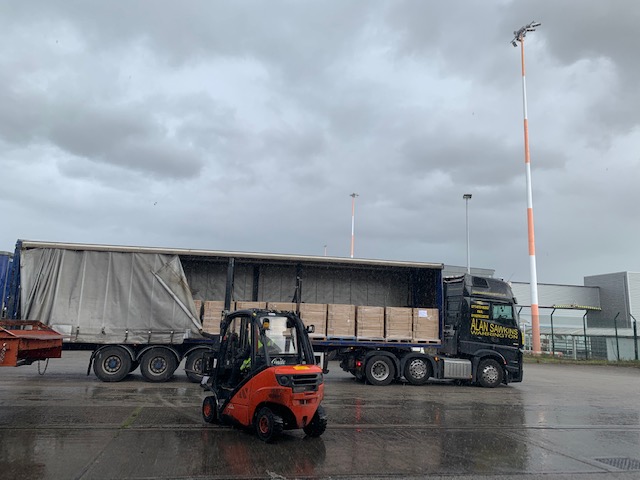
The goods are then unloaded in a controlled way. This could involve forklifts, pallet trucks, handball teams or specialist handling equipment, depending on the cargo. As the items are removed, they can be counted, checked against paperwork and assessed for any visible damage. This is important because it gives the business a clearer record of what has arrived before the stock moves into storage or distribution.
Why accuracy matters during unloading
De-vanning is not only about getting goods out of a container. It is also about making sure everything is handled in a way that protects the stock and supports the next stage of the supply chain. If items are unloaded too quickly without care, damage can occur. If stock is not counted properly, inventory records may become inaccurate. If goods are not sorted correctly, fulfilment and distribution teams may lose valuable time later on.
For importers, retailers, wholesalers and e-commerce businesses, accurate unloading can make a big difference. Goods may need to be booked into a warehouse management system, labelled for storage, split for multiple destinations or prepared for direct delivery. A well-managed de-vanning process helps to create order from the moment the container doors are opened.
From container to warehouse
After unloading, many goods move straight into warehousing. This allows stock to be stored securely until it is needed, whether that is for onward delivery, fulfilment, pallet distribution or longer-term storage. Using a logistics provider that can handle both container unloading and warehousing can reduce unnecessary movement, improve communication and make the process more efficient.
Rather than arranging one company to unload the container, another to store the goods and another to distribute them, businesses can benefit from an integrated solution. With Mac Logistics Liverpool, container services can link directly with warehousing, UK distribution and fulfilment centre services, helping businesses manage stock from arrival through to final delivery.
Reducing delays after arrival
One of the main reasons businesses use a professional de-vanning service is to reduce delays. Once a container has landed, speed and organisation matter. If unloading is not arranged properly, goods may sit waiting longer than necessary, which can affect customer orders, project deadlines and storage plans.
A logistics team close to key transport routes and port activity can help goods move quickly from container to warehouse or delivery vehicle. This is particularly useful for businesses importing through Liverpool, where proximity to port infrastructure and motorway links can support faster onward movement.
Need help with container unloading in Liverpool?
Mac Logistics Liverpool provides container loading and unloading services, warehousing, distribution and freight solutions for businesses moving goods through Liverpool and beyond.