
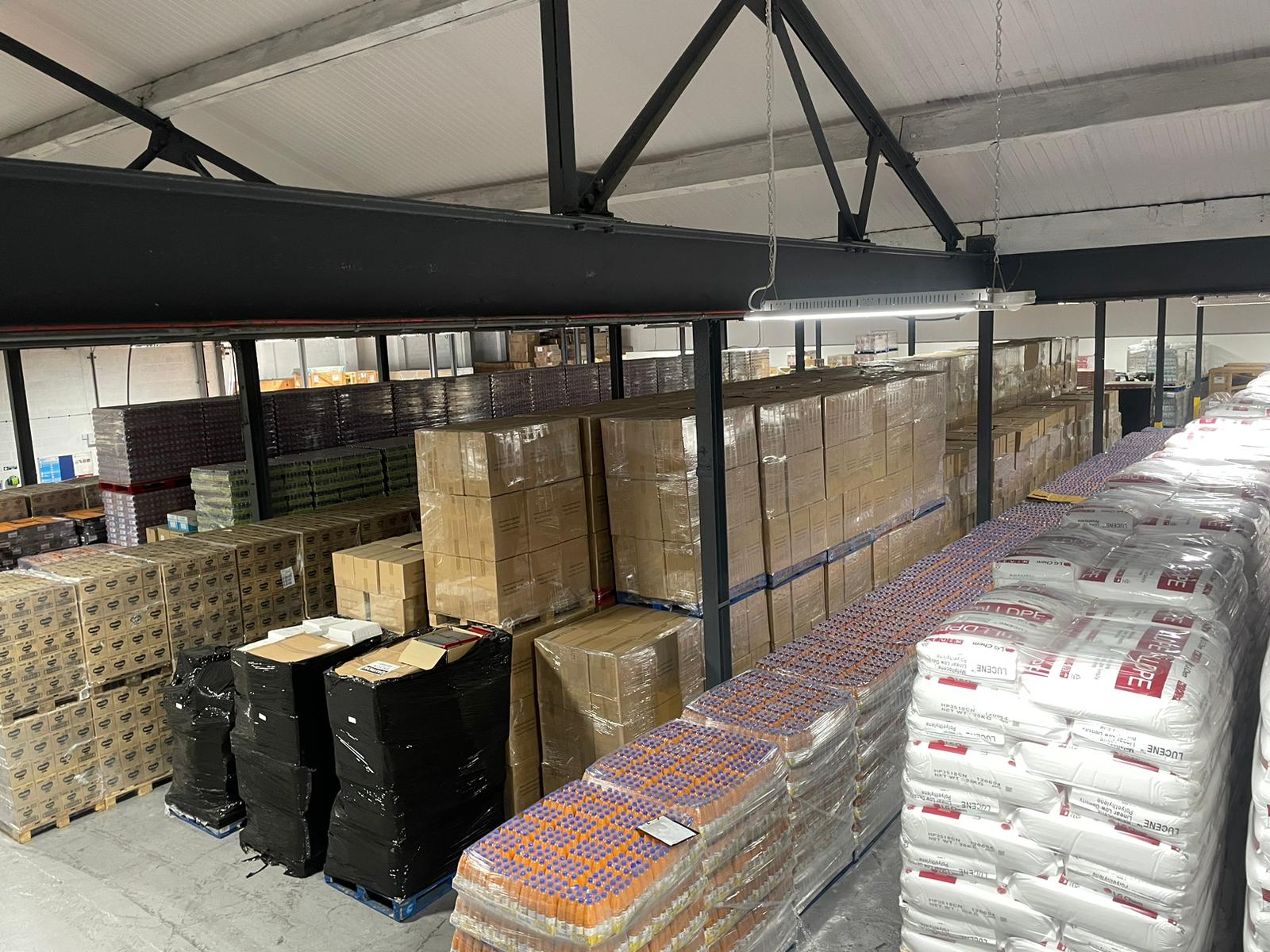
The warehousing sector is at a pivotal crossroads—facing both growing demand from e-commerce and mounting pressure to decarbonize. As companies strive to meet sustainability targets and appeal to eco-conscious customers, achieving carbon neutrality in your warehouse isn’t just “nice to have”—it’s a strategic imperative. Below, we outline actionable steps you can take right now to transform your facilities into carbon-neutral hubs by the end of 2025.
1. Conduct a Comprehensive Carbon Audit
Before targeting reductions, you need to know where your emissions come from:
- Scope 1: Direct emissions from on-site fuel combustion (forklifts, backup generators).
- Scope 2: Indirect emissions from purchased electricity or heating.
- Scope 3: Upstream/downstream emissions (suppliers, outbound transport, waste disposal).
Measure your baseline using internationally recognized frameworks (e.g., Greenhouse Gas Protocol). Accurate data will inform priorities and help track progress.
2. Upgrade to Energy-Efficient Lighting & HVAC
Lighting and climate control can account for 40–60% of warehouse energy use:
- LED Retrofits: Replace metal-halide and fluorescent fixtures with smart LEDs. Occupancy and daylight sensors can shave lighting energy by up to 70%.
- Zoned HVAC Controls: Install programmable thermostats and variable-speed drives on fans and pumps. Pair with insulation upgrades and high-efficiency rooftop units to reduce heating/cooling loads.
- Energy Management Systems (EMS): Centralize real-time monitoring, set automated demand-response schedules, and receive alerts for abnormal consumption.
3. Transition to Renewable Energy
Powering your warehouse with renewables is key to eliminating Scope 2 emissions:
- On-Site Solar PV: Install rooftop or carport panels. Even a modest array can offset 20–50% of electricity needs.
- Off-Site Power Purchase Agreements (PPAs): If space is limited, partner with a local solar or wind farm to procure green power at competitive rates.
- Renewable Energy Certificates (RECs): Purchase RECs to cover any remaining electricity usage—ensuring your grid-sourced power is matched by renewable generation elsewhere.
4. Electrify Material-Handling Equipment
Diesel and propane forklifts contribute significantly to Scope 1 emissions and indoor air pollution:
- Electric Forklifts: Modern lithium-ion models deliver longer run times and opportunity charging, reducing battery-swap logistics.
- Automated Guided Vehicles (AGVs): Beyond labor savings, electric AGVs offer precise routing and regenerative braking.
- Charging Infrastructure: Plan and install fast chargers strategically to minimize downtime and grid stress.
5. Optimize Warehouse Layout & Operations
Small shifts in process design can cut energy use and waste:
- Slotting & Cubing: Group fast-moving SKUs closer to dispatch areas to shorten travel distances for pickers and AGVs.
- Cross-Docking: Minimize storage time by transferring inbound goods directly to outbound staging, reducing racking needs and energy for lighting/storage.
- Dynamic Racking Solutions: Use mobile or adjustable racks to adapt to seasonal inventory, maximizing space utilization and deferring expansion.
6. Implement Smart Building Technologies
Leverage IoT and AI to continuously improve:
- Sensor Networks: Monitor temperature, humidity, and CO₂ levels. Data-driven alerts prevent equipment overuse or failures.
- Predictive Maintenance: AI algorithms analyze equipment vibration and energy signatures to schedule servicing only when needed—avoiding premature replacements and downtime.
- Digital Twins: Simulate warehouse operations to test energy-saving strategies before on-site deployment.
7. Green Building Certifications & Incentives
Third-party certifications validate your efforts and may unlock incentives:
- LEED / BREEAM: Focus on energy, water, materials, and indoor environmental quality. Certified facilities often qualify for tax credits or reduced insurance premiums.
- WELL Building Standard: Prioritizes occupant health and comfort, which can boost productivity and retention.
- Local Grants & Rebates: Many governments offer funding for rooftop solar, LED retrofits, or zero-emission vehicle purchases—be sure to explore available programs in your region.
8. Engage Your Workforce
Your people are crucial champions of change:
- Training & Awareness: Host workshops on energy-saving practices—shutdown procedures, efficient material handling, and proper charging protocols.
- Incentive Programs: Recognize teams that meet energy-reduction targets or propose innovative sustainability ideas.
- Green Committees: Establish cross-functional teams to drive continuous improvement and share success stories.
9. Offset Remaining Emissions
After all feasible reductions, neutralize residual emissions:
- High-Quality Carbon Offsets: Invest in verified projects (reforestation, methane capture, renewable installations) that meet standards such as Verra’s VCS or Gold Standard.
- Carbon Capture & Utilization: Explore emerging technologies that convert captured CO₂ into building materials or fuels.
10. Monitor, Report, and Iterate
Sustainability is an ongoing journey:
- Real-Time Dashboards: Share progress on energy use, emissions intensity (kg CO₂e per pallet), and renewable penetration with stakeholders.
- Annual Sustainability Reports: Transparently disclose your carbon footprint, reduction measures, and offset activities.
- Continuous Improvement: Reassess goals annually, raise the bar for next year, and leverage new technologies as they mature.
Moving Forward
By implementing these practical steps—grounded in data, fortified by smart technology, and powered by people—your warehouse can achieve carbon neutrality by 2025. The benefits extend far beyond environmental impact: lower operating costs, stronger customer and investor confidence, and a healthier, more resilient operation. Start today, measure rigorously, and lead your industry toward a truly sustainable future.