
Freight forwarding is also called as freight logistics. Freight forwarding is the process of arranging transportation for goods from a warehouse or port to another location. The company that performs this task is called a freight forwarder. The services they provide include consolidating shipments and booking space on trucks or ships, finding the best rates and routes, and providing customs clearance. Freight forwarding companies are also known as NVOCCs (non-vessel operating common carriers). They have many different names because they have many different specialties. Some specialize in air freight, others in ocean freight; some offer both services, while others specialize in land freight. The main purpose of freight forwarding is to make sure that cargo arrives safely and on time at its destination. This means that freight forwarders have to take care of every aspect of shipping – from booking space on planes or ships, to arranging insurance and providing other services such as customs clearance and delivery.
In addition to making sure that cargo arrives safely, it’s also important for freight forwarders to make sure that shipments arrive on time. Shipments can be delayed for many reasons: bad weather, strikes or even technical problems with an aircraft are just some examples why a shipment might not arrive as scheduled.
For both business-to-business (B2B) transactions as well as business-to-consumer (B2C) transactions, it makes sense for companies to outsource their transportation needs rather than managing them in-house.
How it Works
Most cargo has to be transported by truck or train at some stage of its journey. There are many different ways that companies can make money while transporting cargo between one place and another:
By charging a fee for arranging transport; by charging a fee for handling paperwork like customs documents; by charging a fee for providing insurance; by charging for storage of cargo before it reaches its destination; by charging for storage of cargo after it reaches its destination; by charging for warehousing space that is used during transport; or simply by charging an hourly rate for their services.
Freight Forwarder Types
Air Freight Forwarders
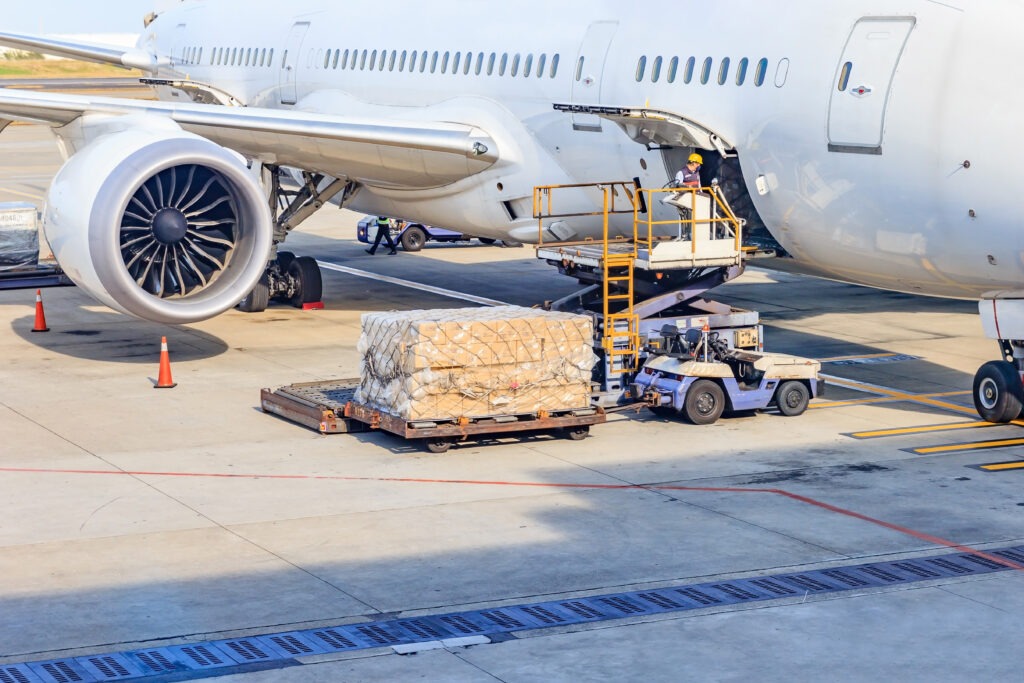
These types of freight forwarders specialize in air cargo transportation such as flights, airports and airlines. Air freight forwarding gives clients access to flight schedules, airline rates and other services that allow them to save time and money when sending products internationally by air.
Ocean Freight Forwarders
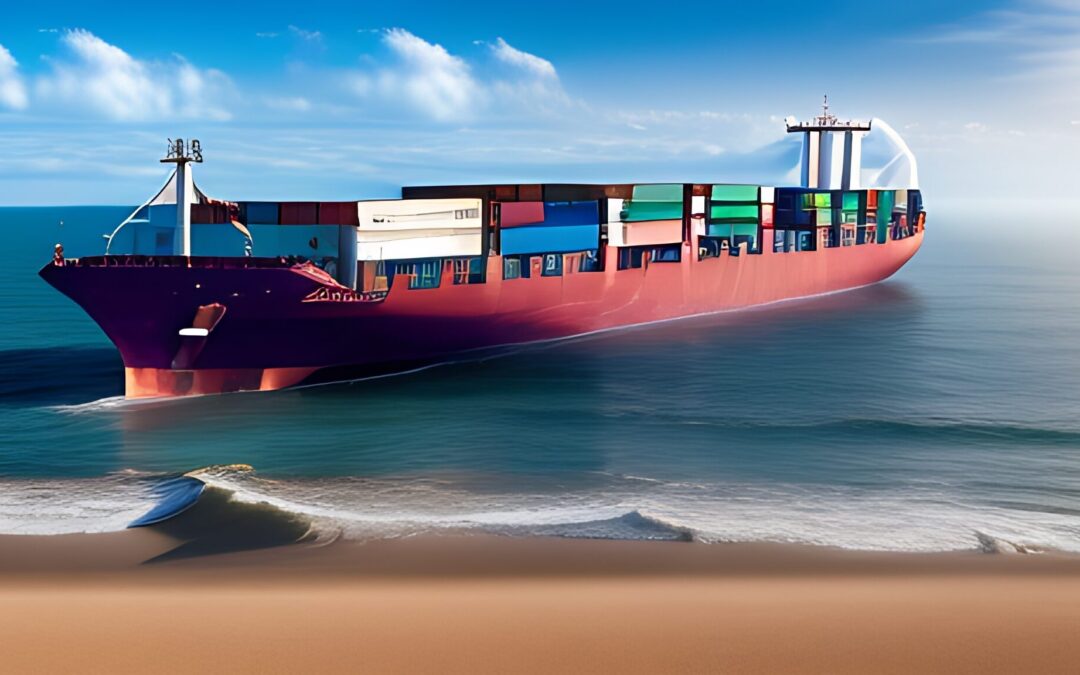
Ocean freight forwarding covers all ocean-based import/export goods which include sea-freight transportation and full container load (FCL) shipments. Ocean freight forwarding provides clients with access to freight rates based on distance travelled, port location, delivery date requirements etc..
Road Freight Forwarders
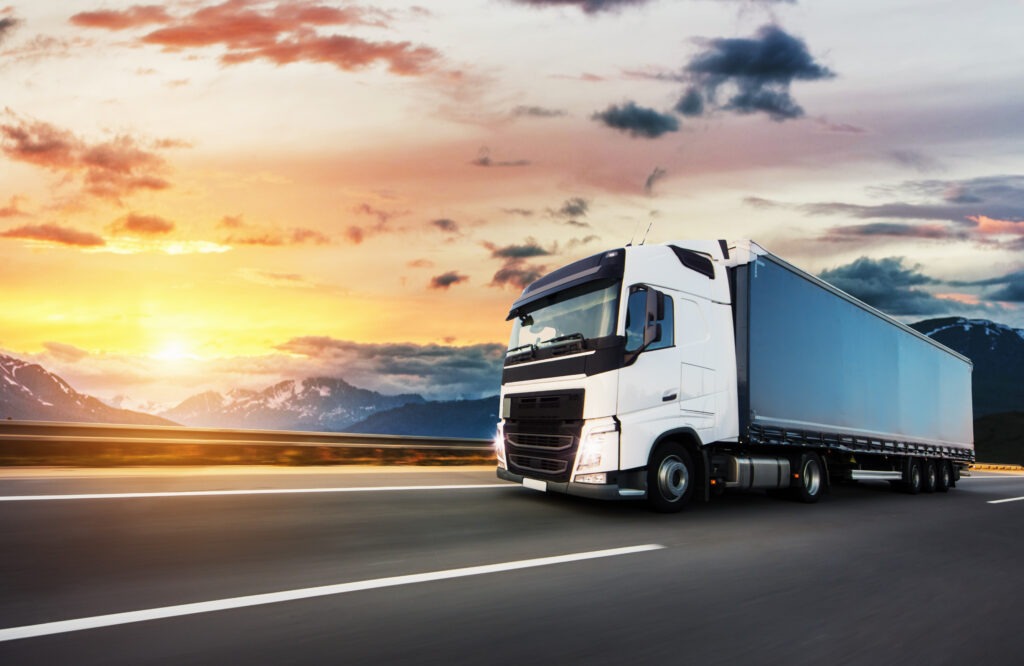
Road freight forwarding deals with moving goods by land using trucks and railcars. This type of freight forwarding can be broken down into several categories: truckload (TL), less than truckload (LTL), expedited TL (ETL) and expedited LTL (ELT). In addition to these four common methods of land freight forwarding, there are also a few other types that may be used depending on what type of goods needs to be shipped and where they need to go.
Rail Freight Forwarders
Rail forwarding is similar to air cargo forwarding but uses rail transport instead of airplanes or trucks. Rail cargo forwarding companies typically handle more complex shipments than land freight because they have to deal with more paperwork and regulations when moving goods by rail car or rail line across borders between countries and continents.

The role of a freight forwarder
Customs clearance: Freight forwarders take responsibility for clearing your goods through customs at both ends of your shipment route (source and destination country). They also ensure that any taxes or duties are paid by your company before they clear customs on your behalf. This means you don’t have to worry about navigating confusing tax laws or dealing with difficult government officials when you’re sending goods overseas for sale or distribution purposes.
Transportation: If you’re shipping something across country or around the world, chances are someone else will do it for you — at least part of the way. That’s where freight forwarders come in handy. Your product goes through several hands before it reaches its destination. In fact, if you want your product to arrive safely and on time, they’re essential — especially when dealing with international shipments.
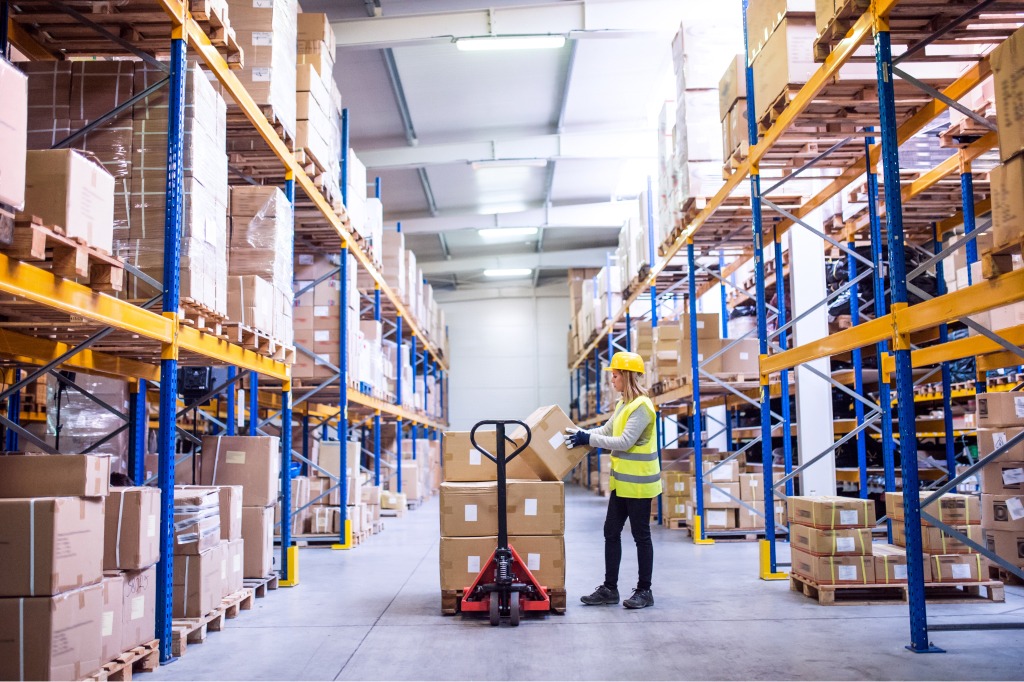
Warehouse storage: You can store your goods in the warehouse until there is space available on an outgoing shipment or until your product arrives at its final destination so that it does not have to sit around collecting dust until it is needed for use or sold to customers who want it;
Freight Forward also takes care of the below duties
- Arranging your shipment on behalf of you with the help of shipping lines, airlines, trucks or railways etc.
- Arranging necessary documentation for import/export process like customs clearance etc.
- Providing insurance coverage for your good during transit or storage period.
- Handling all kinds of paperwork involved in arranging international transportation like shipping bills, commercial invoices etc
- Transport goods using appropriate transport methods (air freight, ocean freight, road freight)
- Arranging cargo space on aircrafts, vessels or trucks
- Obtaining permits and licenses required for international shipping